Consult the Best Cardiologist in Jabalpur Today

Uncategorized

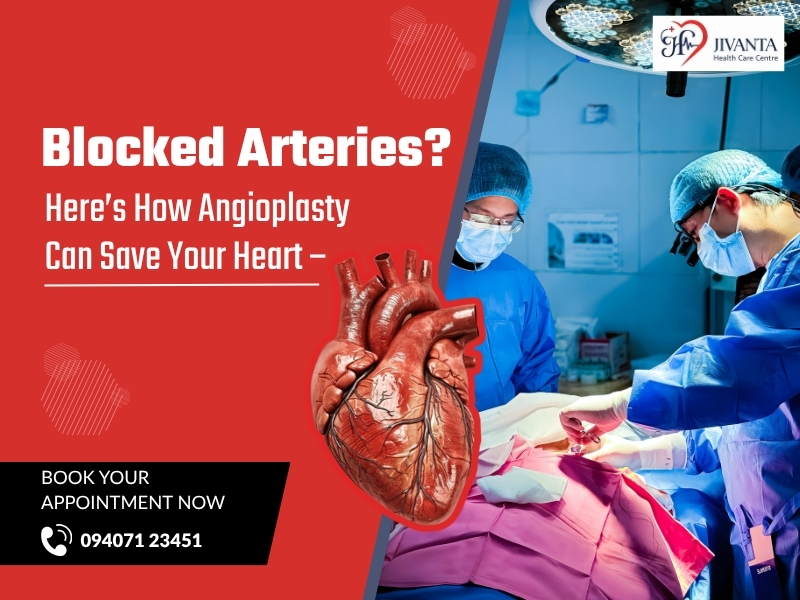
Angioplasty procedure showing stent placement by Angioplasty Specialist in Jabalpur to treat blocked arteries
Uncategorized

Blocked Arteries? Here’s How Angioplasty Can Save Your Heart – Insights from Dr. Animesh Gupta, Cardiologist in Jabalpur

It often starts quietly with signs we tend to ignore. A slight heaviness in the chest, a feeling of breathlessness while climbing stairs, or unexplained fatigue that doesn’t go away. Many people dismiss these early symptoms, thinking they are minor, until one day it turns into something serious. In such situations, timely guidance from an experienced Angioplasty Specialist in Jabalpur can truly make a life-saving difference. Heart disease is rising at an alarming rate. According to recent reports, nearly 1 in 5 deaths in India is caused by cardiovascular disease, and blocked arteries are one of the leading reasons behind it. This is why consulting a trusted Cardiologist in Jabalpur, Dr Animesh Gupta at the right time becomes extremely important. If you or your loved ones are experiencing heart-related symptoms, understanding angioplasty and choosing the right specialist can literally save a life. Understanding Blocked Arteries: Causes, Risks & When to Act Your heart works non-stop, pumping oxygen-rich blood to every part of your body. This blood travels through coronary arteries. However, over time, these arteries can become narrow or blocked due to the buildup of fatty deposits called plaque a condition known as atherosclerosis. At first, this process is slow and silent. You may not feel anything. But as the blockage increases, the blood flow to the heart reduces, making it harder for your heart to function properly. This is when symptoms may begin to appear, such as: Chest discomfort or tightness Shortness of breath Fatigue during simple activities Pain in the arms, neck, or jaw Several lifestyle and health factors increase the risk of blocked arteries: High cholesterol levels Smoking or tobacco use Diabetes High blood pressure Lack of physical activity Stress and unhealthy eating habits According to recent health data, more than 50% of heart attack cases in India occur due to blocked arteries, and alarmingly, many patients are now below the age of 50. When the blockage becomes severe, it can suddenly stop blood flow to the heart, leading to a heart attack a medical emergency that requires immediate attention. In such critical moments, getting timely treatment from an experienced Angioplasty Specialist Dr Animesh Gupta can make the difference between life and death. Angioplasty Explained: A Life-Saving Heart Procedure Made Simple Angioplasty is a modern, minimally invasive procedure designed to open blocked or narrowed arteries and restore normal blood flow to the heart. Unlike traditional open-heart surgery, angioplasty does not require large incisions. Instead, it is performed using a thin, flexible tube called a catheter, which is inserted through a blood vessel usually from the wrist or groin. Here’s how the procedure works in simple steps: The catheter is carefully guided to the blocked artery A small balloon at its tip is inflated to push the plaque aside A stent (a tiny mesh tube) is often placed to keep the artery open permanently This entire process usually takes less than an hour and is performed under local anesthesia, making it safe and comfortable for most patients. Why Angioplasty is So Important Angioplasty is not just a treatment it is often a life-saving intervention. It offers several key benefits: It helps prevent heart attacks by restoring blood flow It provides quick relief from chest pain (angina) It improves overall heart function It allows patients to return to normal life faster In fact, studies show that angioplasty has a success rate of over 95% in stable patients, making it one of the most effective cardiac procedures available today. Choosing a skilled Angioplasty Specialist in Jabalpur ensures that the procedure is performed safely, with minimal risk and maximum benefit. Latest Advancements in Angioplasty (2026 Update) Heart care has seen remarkable advancements in recent years. Today, angioplasty is safer, faster, and more precise than ever before. Some of the latest developments include: 1. Drug-Eluting Stents (DES) These advanced stents slowly release medication that prevents the artery from getting blocked again. Studies show they can reduce re-blockage risk by up to 60–70%. 2. Radial Angioplasty (Wrist Approach) This modern technique allows doctors to perform angioplasty through the wrist instead of the groin. Benefits include: Less pain Lower risk of bleeding Faster recovery (often within 24 hours) 3. Advanced Imaging Technology New imaging tools help doctors see the arteries more clearly and treat blockages with higher precision, improving overall success rates. 4. Shorter Hospital Stay Thanks to improved techniques, many patients are discharged within 24–48 hours, making the procedure more convenient and less stressful. 5. Rising Awareness & Early Detection Recent health campaigns have increased awareness about heart disease, leading to earlier diagnosis and better outcomes. Early consultation with a qualified Cardiologist in Jabalpur can significantly reduce complications. Why Timely Treatment Matters One of the biggest mistakes people make is waiting too long. Many patients ignore symptoms or rely on temporary relief methods. But heart disease doesn’t wait. Delayed treatment can increase the risk of severe complications, including heart attacks. Early diagnosis and timely intervention by an experienced Cardiologist in Jabalpur can: Detect blockages early Prevent major heart damage Reduce the need for emergency procedures When treated at the right time, angioplasty not only saves lives but also improves long-term heart health. Expert Heart Care You Can Trust: Choosing the Right Specialist When it comes to your heart, experience and trust matter the most. Heart conditions are not something you should take lightly. The right diagnosis, timely treatment, and expert care can make a life-changing difference. Choosing a qualified Cardiologist in Jabalpur ensures that your heart health is in safe hands. At the same time, if you are dealing with blocked arteries, consulting an experienced Angioplasty Specialist in Jabalpur becomes extremely important. Dr Animesh Gupta a skilled heart specialist not only focuses on treatment but also understands the emotional stress patients go through. From the first consultation to recovery, the right doctor guides you at every step making the journey smoother and less frightening. Today, with advancements in cardiology, patients have access to better treatment options, improved safety, and faster recovery. This

Heart attack awareness design with chest pain illustration and medical concept
Uncategorized

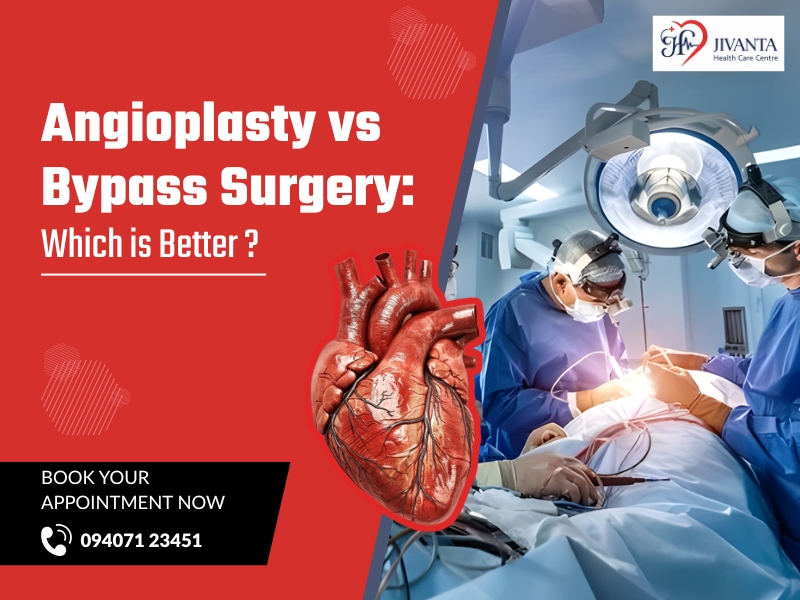
Angioplasty vs Bypass Surgery: Which is Better?

Introduction Heart disease is one of the most common health problems today. Many people feel confused when doctors suggest treatments like angioplasty or bypass surgery. Therefore, they often ask one important question: Angioplasty vs Bypass Surgery: which is better. Understanding the difference between these two treatments helps patients make the right decision. In addition, it reduces fear and confusion. At JIVANTA Health Care Centre, we explain every treatment in simple language so that patients can understand it easily. Dr. Animesh Gupta, known as the Best Cardiologist in Jabalpur, provides expert advice for both Angioplasty in Jabalpur and consultation for Bypass Surgery in Jabalpur. As a result, patients receive the most suitable treatment based on their condition. Angioplasty vs Bypass Surgery What is Angioplasty Angioplasty is a modern, non-surgical procedure that doctors use to open blocked arteries. It improves blood flow to the heart without major surgery. Therefore, it is a popular treatment option. How Angioplasty is Performed Doctors insert a thin tube through a blood vessel, usually from the wrist or groin. Then, they guide it to the blocked artery. After that, they inflate a small balloon to open the blockage. Finally, they place a stent to keep the artery open. Benefits of Angioplasty Angioplasty causes less pain. Moreover, patients recover quickly. In addition, the hospital stay is short. Therefore, many patients prefer Angioplasty in Jabalpur for faster recovery. What is Bypass Surgery Basic Explanation Bypass surgery is a major surgical procedure used to treat severe or multiple artery blockages. It is also known as open heart surgery. How Bypass Surgery is Performed Doctors take a healthy blood vessel from another part of the body. Then, they connect it to bypass the blocked artery. As a result, blood flows normally again. Benefits of Bypass Surgery Bypass surgery works well for patients with multiple blockages. In addition, it provides long-term results. Therefore, doctors often recommend it for serious conditions. Patients considering Bypass Surgery in Jabalpur should always consult an expert. Key Differences Between Angioplasty vs Bypass Surgery Procedure Type Angioplasty is a minimally invasive procedure. On the other hand, bypass surgery is a major operation. Recovery Time Patients recover within a few days after angioplasty. However, bypass surgery requires several weeks for full recovery. Risk Level Angioplasty has lower immediate risk. In contrast, bypass surgery has higher initial risk but offers better long-term results in some cases. Cost Comparison Angioplasty is generally more affordable. Meanwhile, bypass surgery costs more due to surgery and longer hospital stay. When is Angioplasty Recommended Mild to Moderate Blockages Doctors recommend angioplasty when there are fewer blockages. Therefore, it is suitable for early-stage heart disease. Emergency Situations Angioplasty is often used during a heart attack. As a result, it helps restore blood flow quickly. Patient Condition Doctors prefer angioplasty for patients who cannot undergo major surgery. When is Bypass Surgery Recommended Multiple Blockages Doctors recommend bypass surgery when several arteries are blocked. Severe Heart Disease It is suitable for patients with complex heart conditions. Therefore, it provides better long-term results. Long-Term Solution Bypass surgery reduces the chances of future blockages. As a result, it is considered a long-lasting solution. Angioplasty or Bypass Surgery Which is Better Depends on Individual Health There is no single answer. The best option depends on the patient’s condition, age, and severity of blockage. Doctor’s Advice is Important Only a qualified doctor can decide the right treatment. Therefore, always consult an expert before making a decision. Personalized Treatment At JIVANTA Health Care Centre, doctors create a personalized treatment plan for every patient. As a result, patients receive the best possible care. Recovery Comparison Recovery After Angioplasty Patients recover quickly and return to normal life within a few days. In addition, they experience less discomfort. Recovery After Bypass Surgery Recovery takes longer and requires proper rest. However, it provides strong long-term benefits. Risks and Complications Risks of Angioplasty There is a small chance of re-blockage. However, modern stents reduce this risk. Risks of Bypass Surgery Since it is a major surgery, it carries higher initial risk. However, it provides better long-term outcomes in many cases. Lifestyle Changes After Treatment Healthy Diet Patients should avoid oily and unhealthy food. Instead, they should eat fresh and balanced meals. Regular Exercise Daily physical activity helps maintain heart health. Therefore, it is very important. Avoid Smoking Smoking increases the risk of heart disease. Hence, patients must quit smoking. Regular Checkups Follow-up visits are necessary after both treatments. As a result, doctors can monitor progress properly. Why Choose JIVANTA Health Care Centre Expert Cardiologist Dr. Animesh Gupta provides advanced heart care and trusted guidance. Modern Technology The centre uses the latest equipment for accurate diagnosis and treatment. Patient-Focused Care Doctors provide personalized attention to every patient. Therefore, patients feel comfortable and confident. Serving Nearby Areas JIVANTA Health Care Centre serves Wright Town, Vijay Nagar, Napier Town, Adhartal, Madan Mahal, and nearby areas. Patients looking for Angioplasty in Jabalpur or consultation for Bypass Surgery in Jabalpur trust this centre for quality care. Conclusion Understanding Angioplasty vs Bypass Surgery helps patients make better decisions. Both treatments are effective, but the right choice depends on your condition. If you are confused about Angioplasty or Bypass Surgery which is better, consult Dr. Animesh Gupta at JIVANTA Health Care Centre. Early consultation and the right treatment can improve your heart health and quality of life. Frequently Asked Questions What is the difference between angioplasty and bypass surgery Angioplasty is a non-surgical procedure, while bypass surgery is a major operation used for severe blockages. Angioplasty or bypass surgery which is better The best option depends on the patient’s condition. Therefore, consult a cardiologist for the right advice. Is angioplasty safer than bypass surgery Angioplasty has lower immediate risk. However, bypass surgery may provide better long-term results in some cases. How long does recovery take Angioplasty recovery is quick, while bypass surgery requires more time. Where can I get angioplasty in Jabalpur You can visit JIVANTA Health Care Centre for advanced Angioplasty in Jabalpur.

First aid steps during heart attack with chest pain illustration
Uncategorized

What to Do During a Heart Attack? First Aid Guide That Can Save Lives

Introduction A heart attack is one of the most serious medical emergencies, and it can happen without warning. In such situations, knowing what to do during a heart attack can make a life-saving difference. Many people panic or delay action because they are not aware of proper steps. This delay can increase the risk of serious complications or even death. Understanding Heart Attack First Aid is important not only for patients but for everyone. Whether you are at home, at work, or in a public place, your quick response can help save someone’s life. At JIVANTA Health Care Centre, we believe that awareness and early action are the keys to better heart health. Under the expert care of Dr. Animesh Gupta, who provides trusted heart attack treatment in Jabalpur, patients receive timely and advanced care. This detailed guide will help you understand what to do if someone is having a heart attack, step by step, in simple and clear language. Heart Attack First Aid What is a Heart Attack A heart attack occurs when blood flow to the heart is suddenly blocked. This blockage is usually caused by fat deposits in the arteries. Without oxygen, the heart muscle begins to get damaged. This is why immediate Heart Attack First Aid is necessary to reduce damage and improve survival chances. Understanding the Warning Signs Chest Discomfort The most common symptom is pain or pressure in the chest. It may feel like heaviness, tightness, or squeezing. Breathing Difficulty Shortness of breath can occur even without physical effort. This is an important warning sign. Pain in Other Areas Pain may spread to the arms, neck, jaw, shoulders, or back. Other Signs Sweating, nausea, dizziness, and weakness are also common symptoms. Recognizing these signs early helps you act quickly and provide proper Heart Attack First Aid. Why Immediate First Aid is Important Reduces Damage to the Heart Quick action helps restore blood flow faster and limits damage to heart muscles. Saves Valuable Time Every minute is important during a heart attack. Early response improves survival chances. Prevents Complications Timely care can prevent serious complications such as heart failure or cardiac arrest. What to Do During a Heart Attack Stay Calm and Reassure the Patient The first step is to stay calm. Panic can worsen the condition. Reassure the patient and keep them relaxed. Call Emergency Medical Help Immediately Do not wait or try to manage the situation alone. Call for medical help as soon as possible. Make the Person Sit or Lie Down Keep the person in a comfortable position. Sitting slightly upright is often helpful. Loosen Tight Clothing This allows easier breathing and reduces discomfort. Help with Prescribed Medication If the patient has prescribed medicine, assist them in taking it as directed. Stay with the Patient Do not leave the person alone. Monitor their condition until medical help arrives. These steps clearly explain what to do during a heart attack and are essential for saving lives. What Not to Do During a Heart Attack Do Not Ignore Symptoms Even mild symptoms can be serious. Immediate action is necessary. Do Not Delay Medical Help Waiting can increase the risk of complications. Avoid Physical Movement The patient should remain still and avoid any unnecessary activity. Do Not Give Unnecessary Food or Drink This can worsen the situation. What to Do if Someone is Having a Heart Attack at Home Call Emergency Services First Always contact emergency services immediately. Keep the Person Comfortable Make them sit or lie down in a relaxed position. Monitor Their Condition Watch their breathing and responsiveness carefully. Be Prepared for CPR If the person becomes unconscious and stops breathing, CPR may be required. Knowing what to do if someone is having a heart attack at home is very important for every family. Role of CPR in Heart Attack First Aid When CPR is Needed CPR is required when the person is unconscious and not breathing normally. Why CPR is Important It helps maintain blood circulation and oxygen supply until medical help arrives. Basic knowledge of CPR is a valuable part of Heart Attack First Aid. Importance of Professional Medical Treatment First Aid is Not Enough First aid is only the first step. Hospital treatment is necessary for proper care. Advanced Treatment Options At JIVANTA Health Care Centre, we provide advanced heart attack treatment in Jabalpur using modern technology. Expert Guidance Dr. Animesh Gupta ensures accurate diagnosis and effective treatment for better recovery. Risk Factors You Should Know Medical Conditions High blood pressure, diabetes, and high cholesterol increase the risk. Lifestyle Factors Smoking, unhealthy diet, lack of exercise, and stress are major causes. Understanding these risks helps in prevention and reduces the need for emergency Heart Attack First Aid. Prevention Tips for a Healthy Heart Maintain a Healthy Diet Eat fresh fruits, vegetables, and low-fat foods. Exercise Regularly Daily physical activity keeps your heart strong. Avoid Smoking and Alcohol These habits increase the risk of heart disease. Manage Stress Practice relaxation techniques like meditation or yoga. Regular Health Checkups Visit JIVANTA Health Care Centre for routine heart checkups and early diagnosis. When to Consult a Cardiologist Warning Signs Chest pain, breathlessness, or unusual fatigue should not be ignored. Expert Consultation Consult Dr. Animesh Gupta, who provides reliable heart attack treatment in Jabalpur. Services Available at JIVANTA Health Care Centre Diagnostic Services ECG, Echocardiography, TMT, and Angiography Advanced Cardiac Care Complete heart treatment under one roof Areas We Serve We provide services across Jabalpur including Wright Town, Vijay Nagar, Napier Town, Adhartal, Madan Mahal, and nearby areas. Patients trust us for quality and timely heart attack treatment in Jabalpur. Conclusion Knowing what to do during a heart attack is essential for everyone. Proper Heart Attack First Aid can save lives and reduce serious complications. If you notice symptoms, act immediately and seek medical help. Visit JIVANTA Health Care Centre and consult Dr. Animesh Gupta for expert care and guidance. Frequently Asked Questions What is heart attack first aid Heart Attack First Aid

Man experiencing chest pain showing heart attack symptoms
Uncategorized

Heart Attack Symptoms: Early Signs You Should Never Ignore

Introduction Heart disease is becoming more common due to modern lifestyle, stress, and unhealthy habits. Many people ignore early warning signs and only seek medical help when the condition becomes serious. However, your body always gives signals before a major problem occurs. Understanding Heart Attack Symptoms at an early stage can save your life. At JIVANTA Health Care Centre, we focus on early diagnosis and prevention. Under the expert guidance of Dr. Animesh Gupta, known as the Best Cardiologist in Jabalpur, patients receive accurate diagnosis and personalized care. This blog explains Heart Attack Symptoms, including Silent Heart Attack Symptoms and Early Signs of Heart Attack, in simple and clear language so that everyone can understand and take timely action. What is a Heart Attack A heart attack occurs when the blood flow to the heart is blocked. This blockage prevents oxygen from reaching the heart muscles, which can cause serious damage. The most common reason is the buildup of fat and cholesterol in the arteries. This is why recognizing Heart Attack Symptoms early is very important. Common Heart Attack Symptoms There are several Heart Attack Symptoms that you should never ignore. These symptoms may appear suddenly or develop gradually. Chest pain or discomfort is the most common symptom. It may feel like pressure, tightness, or heaviness in the chest. Shortness of breath is another important sign. You may feel difficulty in breathing even without physical activity. Pain can also spread to the arms, neck, jaw, or back. This type of pain often starts from the chest and moves outward. Unexplained sweating, especially cold sweating, can be a warning sign of a heart problem. Some people may feel nausea, vomiting, or dizziness. These are also important Heart Attack Symptoms that should not be ignored. Silent Heart Attack Symptoms Not all heart attacks come with severe chest pain. In many cases, the symptoms are mild and easily ignored. These are known as Silent Heart Attack Symptoms. You may feel slight discomfort in the chest, unusual tiredness, or mild breathing difficulty. Some people experience symptoms similar to indigestion. These symptoms are often ignored, especially by women and older adults. This makes regular checkups at JIVANTA Health Care Centre very important. Heart Attack Symptoms in Men and Women Heart Attack Symptoms can differ between men and women. In men, symptoms are usually more noticeable, such as strong chest pain and pain in the left arm. In women, symptoms are often less obvious. They may include fatigue, back pain, jaw pain, shortness of breath, or nausea. Women are more likely to experience Silent Heart Attack Symptoms, which is why awareness is essential. Early Signs of Heart Attack The body often gives warning signs days or even weeks before a heart attack. These are known as the Early Signs of Heart Attack. You may feel mild chest discomfort or frequent tiredness. Breathing may become difficult during normal activities. Some people experience sleep problems or anxiety. Recognizing these early signs and consulting the Best Cardiologist in Jabalpur can prevent serious complications. Risk Factors of Heart Attack Certain conditions and habits increase the risk of heart attack. High blood pressure, diabetes, smoking, obesity, and stress are major risk factors. Family history also plays an important role. Regular health checkups at JIVANTA Health Care Centre can help identify these risks early. Lifestyle Causes of Heart Problems Modern lifestyle is one of the biggest reasons for increasing heart problems. Unhealthy eating habits, lack of physical activity, smoking, alcohol consumption, and stress contribute to heart disease. Making small lifestyle changes can reduce the risk and prevent Heart Attack Symptoms. Why You Should Not Ignore Heart Attack Symptoms Ignoring Heart Attack Symptoms can be life-threatening. Even mild symptoms can indicate a serious problem. Early diagnosis helps in better treatment and faster recovery. It can also prevent severe damage to the heart. At JIVANTA Health Care Centre, we always encourage patients to take symptoms seriously and seek medical advice immediately. What to Do During Heart Attack Symptoms If you or someone around you experiences Heart Attack Symptoms, it is important to act quickly. Stay calm and seek emergency medical help immediately. The person should sit or lie down comfortably. Avoid any delay in getting treatment. Quick action can save lives and reduce complications. When to Consult a Cardiologist You should consult a cardiologist if you experience chest pain, breathing difficulty, or have conditions like high blood pressure or diabetes. Dr. Animesh Gupta, known as the Best Cardiologist in Jabalpur, provides expert consultation and advanced heart care at JIVANTA Health Care Centre. Advanced Care at JIVANTA Health Care Centre At JIVANTA Health Care Centre, we provide complete cardiac care services. These include ECG, echocardiography, TMT, angiography, and advanced treatments. Our focus is on early detection of Heart Attack Symptoms and providing the best possible care to every patient. Serving Jabalpur and Nearby Areas We proudly serve patients from Wright Town, Vijay Nagar, Napier Town, Adhartal, Madan Mahal, and nearby areas in Jabalpur. Patients trust us for reliable treatment and expert care. Prevention Tips for a Healthy Heart Prevention is always better than cure. You can reduce the risk of heart attack by following simple steps. Maintain a healthy diet, exercise regularly, avoid smoking, manage stress, and go for regular health checkups. These steps can help you stay healthy and avoid serious heart problems. Conclusion Understanding Heart Attack Symptoms is essential for protecting your health. Recognizing the Early Signs of Heart Attack and being aware of Silent Heart Attack Symptoms can help you take timely action. If you notice any symptoms, do not ignore them. Visit JIVANTA Health Care Centre and consult Dr. Animesh Gupta, the Best Cardiologist in Jabalpur, for expert guidance and treatment. FAQs 1. What are the most common heart attack symptoms? The most common Heart Attack Symptoms include chest pain, shortness of breath, pain in the arm or jaw, sweating, and dizziness. These symptoms may appear suddenly or develop slowly over time. 2. What are the early signs of a