
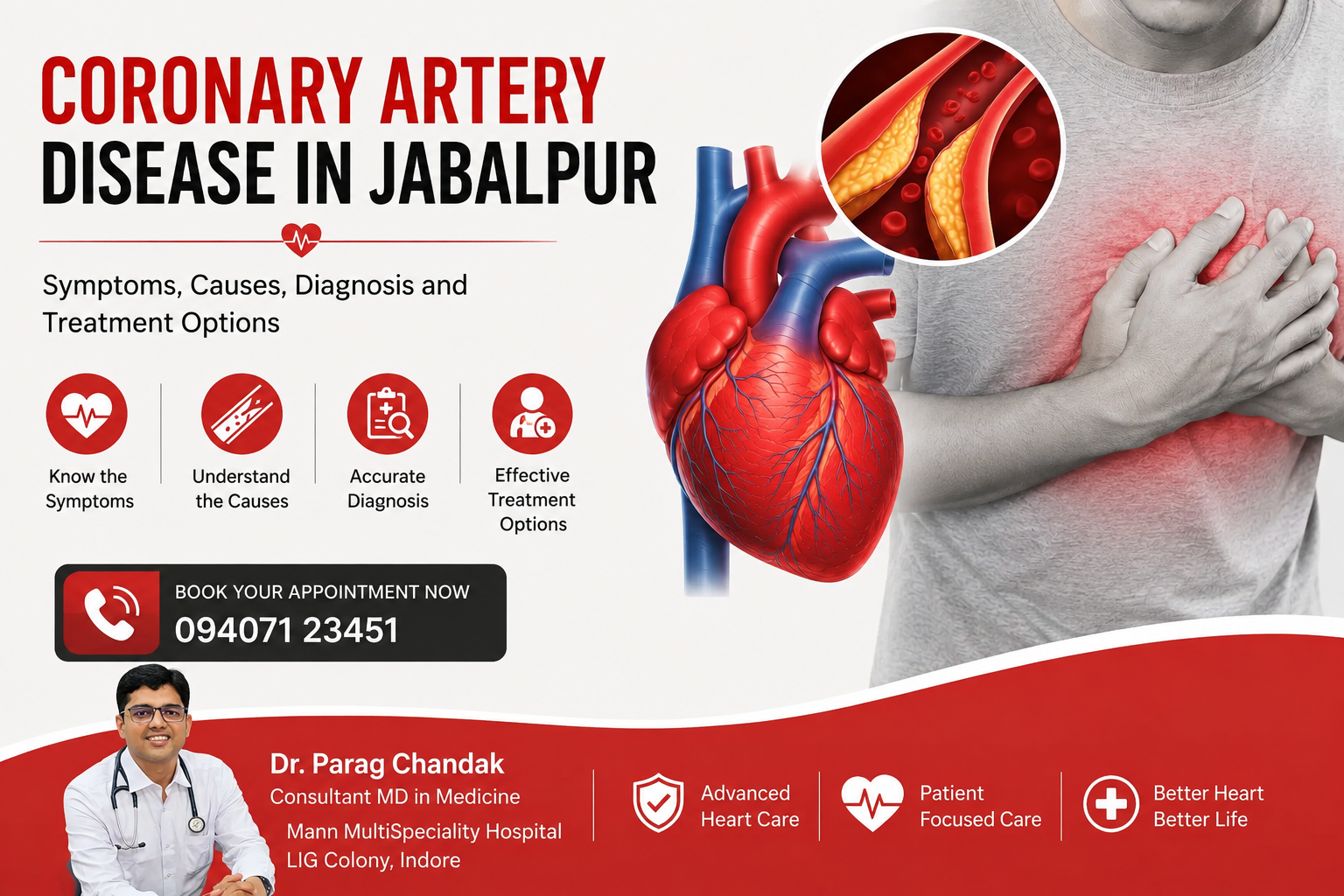
Coronary Artery Disease in Jabalpur is an important heart condition that can develop when the coronary arteries become narrowed or blocked, reducing the flow of oxygen-rich blood to the heart muscle. The condition commonly develops because of plaque buildup inside the artery walls, a process known as atherosclerosis. Over time, reduced blood flow may cause chest discomfort, shortness of breath, fatigue, or other symptoms and can increase the risk of serious complications such as heart attack.
At JIVANTA Health Care Centre, Dr. Animesh Gupta provides cardiac evaluation and treatment for a range of heart-related conditions. He has qualifications in MD (Medicine) and DM (Cardiology), with advanced training in cardiac procedures. His professional experience includes work at Government Jayadeva Hospital, Bangalore, and as a Consultant Cardiologist at Apollo Hospital, Hyderabad. Patients searching for a Cardiologist in Jabalpur can undergo appropriate cardiac evaluation based on their symptoms, medical history, risk factors, and diagnostic findings.
Why Choose Coronary Artery Disease Treatment in Jabalpur for Heart Health?
Coronary artery disease can develop gradually, and some people may have few or no noticeable symptoms during the early stages. As plaque increases inside the coronary arteries, the available space for blood flow may become smaller. During physical activity or emotional stress, the heart needs more oxygen, and restricted blood flow can result in chest discomfort or breathlessness.
Several factors can increase the likelihood of developing coronary artery disease. High cholesterol, high blood pressure, diabetes, smoking, excess weight, physical inactivity, unhealthy dietary patterns, increasing age, and a family history of heart disease can contribute to cardiovascular risk. A Best Cardiologist in Jabalpur can assess these factors together instead of considering one risk factor in isolation.
Early evaluation is particularly important when symptoms repeatedly occur during activity, become more frequent, or are associated with other warning signs. Appropriate diagnosis can help determine whether symptoms are related to coronary artery disease or another cardiac or non-cardiac condition.
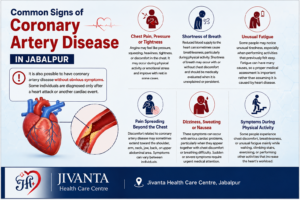
Common Signs of Coronary Artery Disease in Jabalpur
Coronary artery disease does not produce exactly the same symptoms in every person. Some people may experience symptoms mainly during exercise, while others may have symptoms that become noticeable as the condition progresses. Common symptoms may include:
Chest Pain, Pressure or Tightness
Angina may feel like pressure, squeezing, heaviness, tightness, or discomfort in the chest. It may occur during physical activity or emotional stress and improve with rest in some cases.
Shortness of Breath
Reduced blood supply to the heart can sometimes cause breathlessness, particularly during physical activity. Shortness of breath may occur with or without chest discomfort and should be medically evaluated when it is unexplained or persistent.
Unusual Fatigue
Some people may notice unusual tiredness, especially when performing activities that previously felt easy. Fatigue can have many causes, so a proper medical assessment is important rather than assuming it is caused by heart disease.
Pain Spreading Beyond the Chest
Discomfort related to coronary artery disease may sometimes extend toward the shoulder, arm, neck, jaw, back, or upper abdominal area. Symptoms can vary between individuals.
Dizziness, Sweating or Nausea
These symptoms can occur with serious cardiac problems, particularly when they appear together with chest discomfort or breathing difficulty. Sudden or severe symptoms require urgent medical attention.
Symptoms During Physical Activity
Some people experience chest discomfort, breathlessness, or unusual fatigue mainly while walking, climbing stairs, exercising, or performing other activities that increase the heart’s workload.
It is also possible to have coronary artery disease without obvious symptoms. Some individuals are diagnosed only after a heart attack or another cardiac event.
What Causes Coronary Artery Disease in Jabalpur?
Coronary Artery Disease in Jabalpur has the same underlying biological causes as coronary artery disease elsewhere. The condition most commonly develops when fatty deposits, cholesterol, and other substances accumulate inside the walls of the coronary arteries. This plaque buildup can gradually narrow the arteries and reduce blood flow to the heart.
High Cholesterol
High levels of LDL cholesterol can contribute to plaque formation within the arteries. Over time, cholesterol-related plaque may become larger and restrict blood flow.
High Blood Pressure
Persistently elevated blood pressure can place additional stress on artery walls and contribute to cardiovascular disease. Regular blood pressure monitoring can help identify this risk factor.
Diabetes
Diabetes can affect blood vessels and increase the risk of coronary artery disease. Managing blood glucose and other cardiovascular risk factors is an important part of heart-health management.
Smoking and Tobacco Use
Smoking damages blood vessels and is a major modifiable risk factor for cardiovascular disease. Avoiding tobacco can substantially support long-term heart health.
Physical Inactivity
A sedentary lifestyle may contribute to excess weight, high blood pressure, diabetes, and other factors associated with cardiovascular risk.
Unhealthy Dietary Patterns
A diet high in saturated fats, excessive sodium, and highly processed foods may contribute to cardiovascular risk. A heart-healthy eating pattern generally emphasizes vegetables, fruits, whole grains, and other nutrient-rich foods.
Family History and Age
Some people have a higher risk because of family history or increasing age. These factors cannot be changed, but awareness can encourage appropriate screening and management of other modifiable risks.
How Is Coronary Artery Disease Diagnosed in Jabalpur?
Diagnosing coronary artery disease begins with understanding the patient’s symptoms, medical history, family history, risk factors, and physical findings. A Cardiologist in Jabalpur may then recommend appropriate tests depending on the clinical situation.
Blood Tests
Blood tests may be used to assess cholesterol, blood sugar, and other health indicators. These results can help identify cardiovascular risk factors and support treatment planning.
Electrocardiogram (ECG)
An ECG records the electrical activity of the heart. It is a commonly used cardiac test and may provide information about heart rhythm and certain changes associated with heart problems.
Echocardiogram
An echocardiogram uses ultrasound to create images of the heart. It can provide information about heart structure, movement, and pumping function.
Stress Testing
An exercise stress test may be recommended when symptoms are associated with physical activity. The heart is monitored while its workload increases, helping doctors assess how the heart responds to exertion.
CT Coronary Angiography
In selected patients, cardiac CT or CT coronary angiography can provide detailed images of the coronary arteries and help identify plaque or narrowing. The appropriate imaging test depends on the patient’s symptoms and clinical risk.
Coronary Angiography
Coronary angiography is an invasive diagnostic procedure that can show narrowing or blockages in the coronary arteries. During cardiac catheterization, a catheter is guided through a blood vessel and contrast dye is used to make the coronary arteries visible on X-ray imaging. In some situations, treatment can also be performed during the same procedure.
For patients searching for Angiography in Jabalpur, the decision to undergo this procedure should be based on medical evaluation and the suspected severity and pattern of coronary artery disease.
Effective Treatment Options for Coronary Artery Disease in Jabalpur
Treatment for Coronary Artery Disease in Jabalpur depends on the severity of the disease, symptoms, cardiovascular risk, other medical conditions, and the findings from diagnostic tests. Management may involve lifestyle changes, medicines, minimally invasive procedures, or surgery when appropriate.
1. Lifestyle and Heart-Healthy Changes
Lifestyle modification is an important part of coronary artery disease management. Patients may be advised to stop smoking, follow a heart-healthy eating pattern, remain physically active as medically appropriate, maintain a healthy weight, manage stress, and get adequate sleep.
These changes can also help manage risk factors such as high cholesterol, high blood pressure, and diabetes.
2. Medicines
Depending on the patient’s condition, doctors may prescribe medicines to manage cholesterol, blood pressure, chest pain, blood clot risk, or other cardiovascular concerns. The specific medicines and doses depend on the individual’s medical history and should be taken only according to medical advice.
Patients should not start, stop, or change heart medicines without discussing the decision with their treating doctor.
3. Coronary Angioplasty and Stent Placement
For selected patients with significant coronary artery narrowing, angioplasty may be considered. During this procedure, a small balloon is used to widen the narrowed area, and a stent may be placed to help keep the artery open and improve blood flow.
Whether angioplasty is appropriate depends on factors such as the location and severity of the blockage, symptoms, heart function, and other health conditions.
4. Coronary Artery Bypass Grafting
Coronary artery bypass grafting, commonly called CABG, creates an alternative route for blood flow around a blocked or narrowed coronary artery. It may be considered in selected patients with more extensive coronary artery disease or particular patterns of blockage.
The decision between medicines, angioplasty, and bypass surgery should be based on individual clinical findings rather than the number of blockages alone.
Who Should Consider Evaluation for Coronary Artery Disease in Jabalpur?
Adults with recurring chest discomfort, unexplained breathlessness, unusual fatigue during activity, or other concerning symptoms may benefit from cardiac evaluation. People with important risk factors such as diabetes, high blood pressure, high cholesterol, smoking history, obesity, or a strong family history of heart disease may also need appropriate cardiovascular assessment.
A Best Cardiologist in Jabalpur can review the complete clinical picture and determine whether further testing is appropriate.
People who already have known coronary artery disease may also require regular follow-up to monitor symptoms, risk factors, medicines, and heart health. Follow-up care is particularly important when symptoms change or become more frequent.
What Happens During a Coronary Artery Disease Consultation?
The first consultation for Coronary Artery Disease in Jabalpur generally begins with a detailed discussion about symptoms, when they started, what triggers them, and whether they improve with rest. The doctor may also ask about blood pressure, cholesterol, diabetes, smoking, family history, previous heart problems, medications, and lifestyle habits.
Dr. Animesh Gupta may recommend cardiac investigations according to the patient’s symptoms and risk profile. Depending on the findings, evaluation may include ECG, echocardiography, blood tests, stress testing, CT coronary imaging, or coronary angiography.
The purpose of this assessment is to understand the underlying cause of symptoms and determine the most appropriate next step. Not every patient with chest discomfort requires angiography or a stent. Treatment decisions should be made after considering the complete clinical and diagnostic picture.
Why Choose a Cardiologist in Jabalpur for Coronary Artery Disease Care?
Choosing an experienced cardiac specialist is important when symptoms may be related to coronary artery disease. Dr. Animesh Gupta is a Consultant Cardiologist associated with JIVANTA Health Care Centre in Jabalpur. His qualifications include MD in Medicine and DM in Cardiology.
He received advanced cardiac training at Government Jayadeva Hospital, Bangalore, one of India’s established cardiac institutes. He has also worked as a Consultant Cardiologist at Apollo Hospital, Hyderabad, where he managed a range of cardiac cases.
His experience includes both invasive and non-invasive cardiac procedures, including coronary angiography, angioplasty-related cardiac care, and pacemaker procedures. Patients looking for a Heart Specialist in Jabalpur can undergo evaluation based on symptoms, risk factors, diagnostic results, and overall cardiovascular health.
How Can You Support Heart Health Alongside Coronary Artery Disease Treatment in Jabalpur?
For many patients, medical treatment works best when accompanied by consistent heart-healthy habits. Depending on your individual condition, a cardiologist may recommend the following measures:
Monitor Blood Pressure Regularly
Keeping track of blood pressure can help identify whether it remains within the range recommended by your healthcare professional.
Keep Cholesterol Under Control
High cholesterol is an important cardiovascular risk factor. Regular testing and appropriate management can help reduce cardiovascular risk.
Manage Diabetes Carefully
If you have diabetes, maintaining blood glucose within your doctor’s recommended range is an important part of protecting cardiovascular health.
Avoid Smoking and Tobacco
Stopping tobacco use is one of the most important lifestyle steps for reducing cardiovascular risk.
Follow a Heart-Healthy Diet
A balanced diet rich in vegetables, fruits, whole grains, and other nutrient-dense foods can support cardiovascular health. Limiting excess saturated fat and sodium may also be recommended.
Stay Physically Active as Advised
Regular physical activity can support cardiovascular health, but people with known heart disease should discuss suitable exercise intensity with their healthcare professional.
Maintain a Healthy Weight
Maintaining a healthy weight can help manage blood pressure, diabetes, cholesterol, and other cardiovascular risk factors.
Get Adequate Sleep and Manage Stress
Good sleep and effective stress management can support overall cardiovascular health. Mayo Clinic recommends that adults generally aim for 7 to 9 hours of sleep each night.

How to Choose the Right Coronary Artery Disease Treatment in Jabalpur?
There is no single treatment that is appropriate for every person with coronary artery disease. Someone with mild symptoms and manageable risk factors may require a different approach from a patient with significant coronary artery narrowing or previous cardiac events.
A Best Cardiologist in Jabalpur can assess symptoms, medical history, risk factors, heart function, and diagnostic reports before recommending a treatment plan. The severity and location of coronary blockages, along with conditions such as diabetes, kidney disease, previous stroke, or previous heart attack, may influence whether medicines, angioplasty, stenting, or bypass surgery is considered.
Rather than selecting a procedure based only on the presence of a blockage, it is important to understand what the blockage means for blood flow and overall heart health. A detailed cardiac evaluation can help patients make informed decisions about their care.
When Is Chest Pain an Emergency?
Chest pain should not always be assumed to be acidity, muscle pain, or simple fatigue. Sudden or severe chest pressure, tightness, or discomfort—particularly when associated with shortness of breath, sweating, nausea, dizziness, fainting, or pain spreading to the arm, jaw, back, or shoulder—can indicate an acute coronary event.
Acute coronary syndrome is a medical emergency and requires immediate medical evaluation.
If symptoms are sudden, severe, persistent, or worsening, seek emergency medical care rather than waiting for a routine appointment.
FAQs – Coronary Artery Disease in Jabalpur
1. What is Coronary Artery Disease in Jabalpur?
Coronary artery disease is a condition in which the arteries supplying blood to the heart become narrowed or blocked, most commonly because of plaque buildup. Reduced blood flow can cause angina and may increase the risk of heart attack.
2. What are the common symptoms of coronary artery disease?
Common symptoms include chest pressure or discomfort, shortness of breath, unusual fatigue, and sometimes discomfort spreading to the arm, shoulder, neck, jaw, back, or upper abdomen. Some people may have few symptoms until the disease becomes more advanced.
3. How is coronary artery disease diagnosed?
Diagnosis may involve a medical history and physical examination along with tests such as blood tests, ECG, echocardiography, stress testing, CT coronary angiography, or invasive coronary angiography, depending on the clinical situation.
4. Is angiography always required for coronary artery disease?
No. Not every patient with suspected coronary artery disease requires invasive angiography. The need for angiography depends on symptoms, risk factors, previous test results, and the suspected severity of coronary disease.
5. Can coronary artery disease be treated without surgery?
In many cases, management can include lifestyle changes and medicines. Some patients may require angioplasty and stenting, while others may benefit from bypass surgery depending on the severity and pattern of coronary artery disease.
6. Can coronary artery disease be prevented?
Risk can often be reduced by avoiding tobacco, maintaining healthy blood pressure and cholesterol levels, managing diabetes, remaining physically active, following a heart-healthy diet, maintaining a healthy weight, and managing stress.
7. When should I consult a Cardiologist in Jabalpur?
You should seek medical evaluation for recurring or unexplained chest discomfort, breathlessness during activity, unusual fatigue, or other concerning cardiac symptoms. People with significant cardiovascular risk factors may also benefit from appropriate heart-health evaluation.
8. What is the role of a Cardiologist in treating coronary artery disease?
A cardiologist evaluates symptoms and cardiovascular risk, recommends appropriate diagnostic tests, interprets findings, and develops a treatment plan. Depending on the condition, management may include medicines, lifestyle changes, interventional procedures, or referral for cardiac surgery.
Conclusion – Cardiologist in Jabalpur
Coronary Artery Disease in Jabalpur can develop gradually and may remain unnoticed until blood flow to the heart becomes significantly restricted. Recognizing symptoms such as chest discomfort, shortness of breath, unusual fatigue, or discomfort that spreads to other parts of the body can encourage timely medical evaluation.
Diagnosis may involve blood tests, ECG, echocardiography, stress testing, CT coronary imaging, or coronary angiography depending on the individual situation. Treatment can range from lifestyle changes and medicines to angioplasty, stent placement, or bypass surgery when clinically appropriate.
If you are experiencing symptoms or have cardiovascular risk factors, Dr. Animesh Gupta at JIVANTA Health Care Centre can evaluate your cardiac health and guide you regarding appropriate diagnostic and treatment options. His experience in cardiology and cardiac procedures provides a clinical approach focused on understanding the patient’s condition before deciding on further management.
For individuals searching for a Cardiologist in Jabalpur, Best Cardiologist in Jabalpur, or Heart Specialist in Jabalpur, a proper cardiac evaluation can be an important step toward understanding symptoms, managing cardiovascular risk, and supporting long-term heart health.