Heart health plays an important role in maintaining overall well-being. The heart continuously supplies oxygen-rich blood to different parts of the body, supporting the proper functioning of vital organs. However, unhealthy eating habits, physical inactivity, stress, smoking, diabetes, high blood pressure and high cholesterol can increase the risk of cardiovascular diseases.
Many heart conditions develop gradually and may not produce noticeable symptoms during their early stages. Some people experience chest discomfort, breathlessness, unusual tiredness, dizziness or irregular heartbeats without immediately recognising that these symptoms may be related to their heart.
Consulting the Best Cardiologist in Jabalpur can help individuals understand their heart health, identify possible risk factors and receive appropriate medical guidance. Regular cardiac evaluations are particularly important for people with diabetes, hypertension, a family history of heart disease or previous cardiac problems.
Dr. Animesh Gupta, an experienced heart specialist associated with JIVANTA Health Care Centre, Jabalpur, provides consultation and cardiac care for patients with different heart-related concerns. He holds MD (Medicine) and DM (Cardiology) qualifications and has received advanced training at Government Jayadeva Hospital, Bengaluru. He has also worked as a Consultant Cardiologist at Apollo Hospital, Hyderabad.
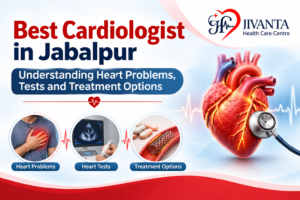
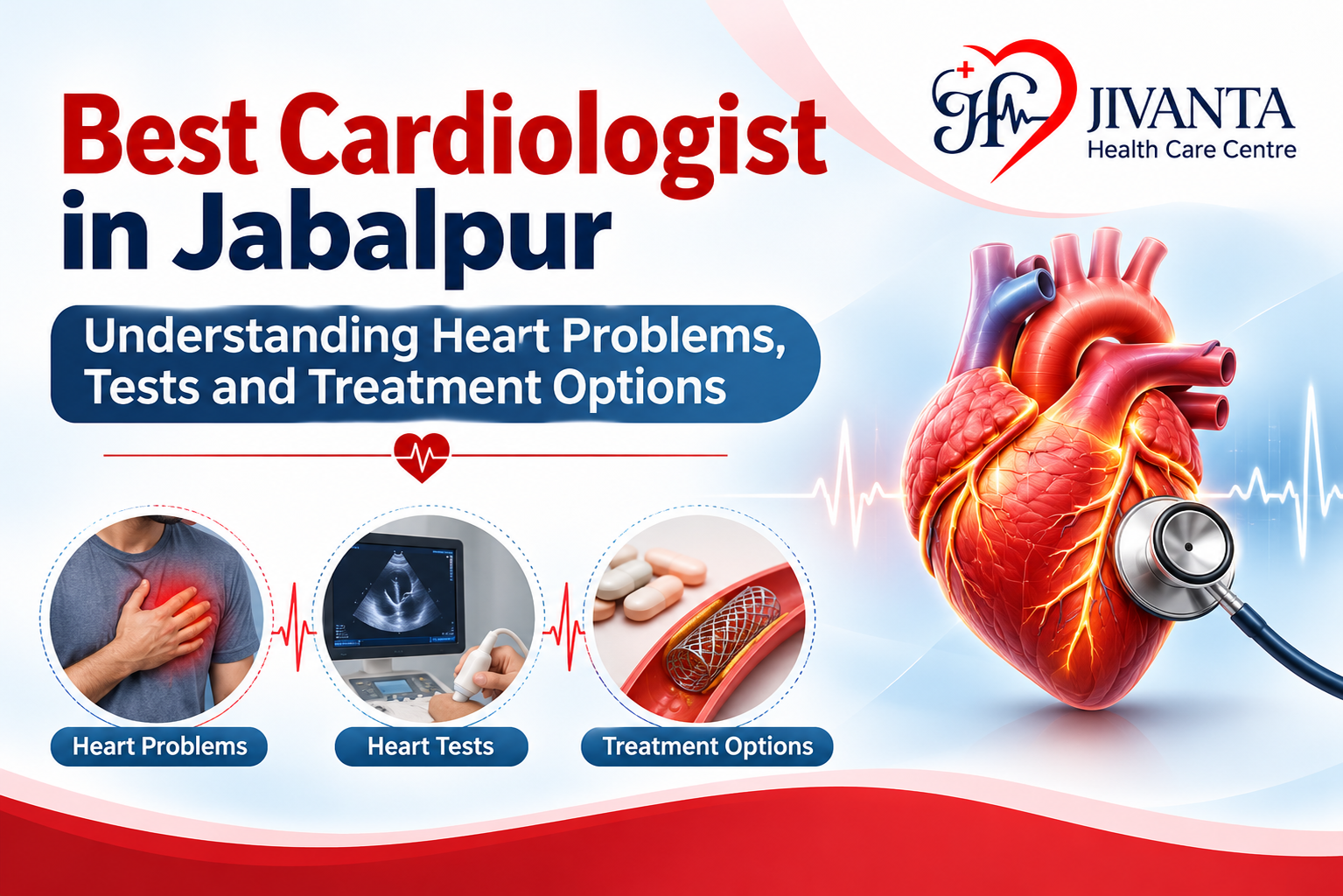
This article explains common heart problems, their warning signs, important diagnostic tests and available treatment options.
Why Is Choosing the Best Cardiologist in Jabalpur Important?
Cardiovascular diseases require careful evaluation because different heart conditions can produce similar symptoms. For example, chest discomfort may occur due to coronary artery disease, acidity, muscular problems or other medical conditions. Proper assessment helps identify the underlying cause.
A qualified cardiologist evaluates medical history, symptoms, lifestyle habits and existing health conditions before recommending investigations or treatment.
Consulting a Cardiologist in Jabalpur can be helpful for:
- Evaluating chest pain and discomfort.
- Managing high blood pressure.
- Assessing irregular heartbeats.
- Identifying coronary artery disease.
- Monitoring patients after a heart attack.
- Evaluating breathlessness related to possible cardiac conditions.
- Managing cholesterol-related cardiovascular risks.
- Planning preventive heart health assessments.
Early medical attention can help detect certain conditions before they become more complicated. However, sudden chest pain, severe breathlessness, fainting or other symptoms suggestive of a heart attack require emergency medical attention rather than waiting for a routine appointment.
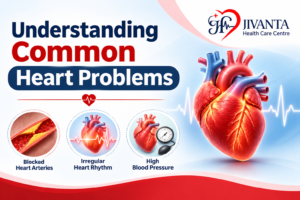
Understanding Common Heart Problems
The heart can be affected by several medical conditions involving its blood vessels, muscles, valves and electrical system. Understanding these conditions can help people recognise symptoms and seek timely medical advice.
1. Coronary Artery Disease
Coronary artery disease develops when the blood vessels supplying the heart muscle become narrowed or blocked, commonly due to plaque accumulation. This reduces blood flow and oxygen supply to the heart. Some individuals may experience chest discomfort during physical activity, while others may develop symptoms even at rest.
Common risk factors include:
- High cholesterol levels.
- High blood pressure.
- Diabetes.
- Smoking and tobacco consumption.
- Obesity.
- Physical inactivity.
- Family history of cardiovascular disease.
A cardiologist may recommend an ECG, echocardiography, stress testing or coronary imaging depending on the patient’s condition.
2. High Blood Pressure
Hypertension occurs when blood pressure remains consistently elevated. It is often called a silent condition because many people do not experience noticeable symptoms. Uncontrolled hypertension can increase the risk of heart attack, stroke, heart failure and kidney disease.
Regular blood pressure monitoring, lifestyle modifications and prescribed medicines are important parts of hypertension management.
3. Heart Attack
A heart attack, medically known as myocardial infarction, occurs when blood flow to a portion of the heart muscle becomes significantly reduced or blocked.
Common warning signs include:
- Chest pressure, tightness or discomfort.
- Pain spreading towards the arms, shoulders, back or jaw.
- Shortness of breath.
- Cold sweating.
- Nausea or vomiting.
- Sudden weakness or lightheadedness.
Some people, particularly those with diabetes and older adults, may experience less typical symptoms.
A suspected heart attack is a medical emergency. Immediate hospital assessment is essential.
4. Heart Failure
Heart failure occurs when the heart cannot pump blood sufficiently to meet the body’s requirements or has difficulty filling properly. It does not mean that the heart has completely stopped working. Common symptoms include persistent breathlessness, swelling in the legs, unusual tiredness, difficulty breathing while lying down and reduced exercise tolerance. Treatment depends on the underlying cause and may include medications, lifestyle changes and regular cardiac monitoring.
5. Arrhythmia or Irregular Heartbeat
Arrhythmia refers to an abnormal heart rhythm. The heartbeat may become too fast, too slow or irregular.
Patients may experience:
- Palpitations.
- Dizziness.
- Fainting episodes.
- Chest discomfort.
- Breathlessness.
- Unusual tiredness.
An ECG and other rhythm-monitoring investigations may help identify the type of arrhythmia.
6. Valvular Heart Disease
Heart valves control the direction of blood flow through the heart. When a valve becomes narrowed or does not close properly, normal blood circulation may be affected. Some patients develop breathlessness, fatigue, chest discomfort or swelling. Echocardiography is an important investigation for evaluating heart valve structure and function.
Common Symptoms That Should Not Be Ignored
Heart-related symptoms can vary depending on the condition, its severity and the patient’s overall health.
A Heart Specialist in Jabalpur can evaluate symptoms and determine whether further cardiac investigations are required.
Some important warning signs include:
Chest Pain or Pressure: Persistent or unexplained chest discomfort, particularly during physical activity, should be medically evaluated.
Breathlessness: Difficulty breathing during routine activities or while resting may sometimes indicate a cardiac problem.
Palpitations: Repeated episodes of racing, pounding or irregular heartbeats require appropriate assessment.
Dizziness or Fainting: These symptoms may occur due to abnormal heart rhythms, blood pressure changes or other medical conditions.
Swelling in the Legs: Fluid accumulation around the ankles and feet may be associated with heart failure or other health problems.
Unusual Fatigue: Persistent tiredness, especially when accompanied by breathlessness or chest discomfort, should not be ignored.
Sudden severe chest pain, fainting or breathing difficulty should be treated as an emergency.
Important Heart Diagnostic Tests and Their Uses
Accurate diagnosis is an important part of cardiac care. A cardiologist selects investigations according to symptoms, medical history and clinical findings.
Here are some commonly recommended cardiac tests.
1. Electrocardiogram (ECG)
An ECG records the electrical activity of the heart. It helps evaluate heart rhythm, heart rate and certain electrical changes that may occur during a heart attack or other cardiac conditions.
It is a quick, non-invasive investigation commonly used during initial cardiac evaluation.
2. 2D Echocardiography
A 2D Echo uses ultrasound waves to create images of the heart.
It helps assess:
- Heart chamber size.
- Heart pumping function.
- Heart valve structure.
- Blood flow patterns.
- Certain structural abnormalities.
- Signs of fluid around the heart.
It is particularly useful in evaluating heart failure and valvular heart disease.
3. Treadmill Test (TMT)
A treadmill test evaluates how the heart responds to physical activity.
During the test, the patient’s ECG, heart rate and blood pressure are monitored while walking on a treadmill.
It may help assess suspected coronary artery disease in appropriately selected patients. A cardiologist determines whether the test is suitable based on the patient’s medical condition.
4. Holter Monitoring
Holter monitoring records heart rhythm continuously, usually over 24–48 hours or another prescribed duration.
It can help identify irregular heartbeats that may not appear during a routine ECG.
5. Blood Investigations
Blood tests can provide useful information about cardiovascular risk factors and possible heart damage.
Common investigations may include:
- Lipid profile.
- Blood glucose.
- HbA1c.
- Kidney function tests.
- Cardiac troponin when a heart attack is suspected.
The choice of tests depends on the symptoms and clinical assessment.
6. Coronary Angiography
Coronary angiography is an imaging procedure used to examine the coronary arteries. A contrast dye is introduced through a catheter, and X-ray imaging helps identify narrowed or blocked blood vessels. It may be recommended when significant coronary artery disease is suspected or when the results of other investigations indicate the need for further evaluation.
Treatment Options for Different Heart Conditions
Cardiac treatment depends on the type of disease, its severity, associated medical conditions and the patient’s overall health. A Heart Doctor in Jabalpur may recommend medical management, lifestyle modifications, interventional procedures or a combination of approaches.
1. Medication Management
Medicines are commonly used to manage several cardiovascular conditions.
Depending on the diagnosis, treatment may include:
- Blood pressure medicines.
- Cholesterol-lowering medicines.
- Antiplatelet medicines.
- Medicines for controlling heart rate.
- Medicines for heart failure.
- Anti-anginal medicines.
Patients should take medicines according to medical instructions and should not stop prescribed cardiac medicines without consulting their doctor.
2. Angioplasty
Angioplasty is a minimally invasive procedure used to improve blood flow through narrowed coronary arteries. A small balloon is used to widen the affected artery. A stent may be placed to help maintain blood flow. The procedure may be recommended for selected patients with coronary artery disease.
3. Coronary Angiography
Angiography helps doctors understand the location and severity of coronary artery narrowing. Its findings help guide decisions regarding medication, angioplasty or other treatment approaches.
4. Lifestyle Modification
Lifestyle changes are an important part of long-term cardiovascular management.
Patients may be advised to:
- Follow a balanced and nutritious diet.
- Reduce excess salt consumption.
- Limit foods high in saturated and trans fats.
- Maintain a healthy body weight.
- Participate in regular physical activity as medically advised.
- Avoid smoking and tobacco.
- Manage stress.
- Monitor blood pressure and blood sugar.
- Follow prescribed treatment regularly.
5. Cardiac Rehabilitation
Cardiac rehabilitation is a medically supervised programme that helps suitable patients recover after certain heart-related events or procedures. It may include monitored exercise, education, nutritional guidance and support for long-term lifestyle changes.
Who Should Consider a Regular Heart Checkup?
Preventive cardiac evaluation can help identify risk factors and support early intervention.
A Heart Checkup in Jabalpur may be particularly relevant for individuals who have:
- A family history of heart disease.
- High blood pressure.
- Diabetes or elevated blood sugar.
- High cholesterol.
- A history of smoking.
- Obesity or physical inactivity.
- Previous heart attack or cardiac procedures.
- Repeated episodes of chest discomfort or palpitations.
The frequency and type of cardiac screening should be decided according to age, risk factors and medical history.
Even individuals who feel healthy may benefit from discussing their cardiovascular risk with a healthcare professional.
How Does Dr. Animesh Gupta Approach Cardiac Care?
Dr. Animesh Gupta is a cardiologist in Jabalpur associated with JIVANTA Health Care Centre.
He holds MBBS, MD (Medicine) and DM (Cardiology) qualifications. His professional background includes advanced training at Government Jayadeva Hospital, Bengaluru, and experience working as a Consultant Cardiologist at Apollo Hospital, Hyderabad. His approach focuses on understanding the patient’s symptoms, evaluating possible cardiovascular conditions and explaining suitable treatment options. Cardiac assessment may involve reviewing medical history, blood pressure, existing medications, previous investigation reports and relevant risk factors.
At JIVANTA Health Care Centre, the focus is on providing organised cardiac evaluation, appropriate treatment guidance and continued attention to heart health. Patients looking for a Heart Specialist in Jabalpur can discuss their cardiac concerns and understand which investigations or treatment approaches may be appropriate for their condition.

Preventive Tips for Maintaining a Healthy Heart
Preventing cardiovascular diseases requires consistent attention to everyday habits.
Here are some practical steps that can support better heart health.
Eat a Heart-Healthy Diet
Include vegetables, fruits, whole grains, pulses, nuts and other nutritious foods in your daily meals. Reduce excessive salt, processed foods and unhealthy fats.
Stay Physically Active
Regular physical activity supports cardiovascular fitness. Walking, cycling and other suitable exercises can be included according to individual health conditions.
Patients with existing heart disease should seek medical advice before starting a new exercise routine.
Monitor Blood Pressure
High blood pressure can damage blood vessels and increase the risk of cardiovascular complications. Regular monitoring helps identify changes that may require attention.
Manage Diabetes and Cholesterol
Elevated blood sugar and cholesterol can contribute to cardiovascular disease. Appropriate monitoring, medication and lifestyle management are important.
Avoid Smoking
Smoking damages blood vessels and increases cardiovascular risk. Avoiding tobacco is an important step towards protecting heart health.
Get Adequate Sleep
Consistent and sufficient sleep supports overall health. People with persistent snoring, breathing interruptions during sleep or excessive daytime sleepiness should seek medical evaluation.
Attend Follow-Up Appointments
Patients with existing cardiac conditions should follow their treatment plans and attend recommended appointments to monitor their progress.
When Should You Consult a Cardiologist?
You should consider consulting a cardiologist if you experience repeated chest discomfort, unexplained breathlessness, palpitations, dizziness or unusual fatigue. People with diabetes, hypertension, high cholesterol or a family history of cardiovascular disease should also discuss appropriate preventive assessment.
If you are searching for Heart Disease Treatment in Jabalpur, a clinical consultation can help establish the possible cause of symptoms and identify the next steps. Do not delay emergency care when symptoms suggest a heart attack or another serious cardiac event.
Frequently Asked Questions – Best Cardiologist in Jabalpur
1. When should I consult the Best Cardiologist in Jabalpur?
You should consult a cardiologist if you experience chest discomfort, breathlessness, irregular heartbeats, dizziness or unexplained fatigue. People with diabetes, hypertension and high cholesterol may also need regular cardiac assessment.
2. What are the common symptoms of heart disease?
Common symptoms include chest pain, shortness of breath, palpitations, dizziness, unusual tiredness and swelling in the legs. Some people may have heart disease without noticeable symptoms.
3. Which tests are commonly recommended for heart checkups?
Common investigations include ECG, 2D Echocardiography, Treadmill Test, Holter Monitoring and blood investigations. The cardiologist recommends tests according to individual symptoms and risk factors.
4. Can high blood pressure cause heart problems?
Yes. Uncontrolled high blood pressure can increase the risk of coronary artery disease, heart failure, heart attack and stroke. Regular monitoring and appropriate treatment are important.
5. What is the difference between ECG and 2D Echo?
An ECG records the electrical activity of the heart, while a 2D Echo uses ultrasound to examine the heart’s structure, pumping function and valves.
6. Is angioplasty necessary for every patient with blocked arteries?
No. Angioplasty is not required for every patient with coronary artery disease. Treatment depends on the severity and location of blockages, symptoms and overall clinical condition.
7. Can diabetes increase the risk of heart disease?
Yes. Diabetes can damage blood vessels and increase the risk of coronary artery disease and other cardiovascular complications. Managing blood sugar, blood pressure and cholesterol is important.
8. How often should I get my heart checked?
The frequency depends on age, medical history and cardiovascular risk factors. People with existing heart conditions may require more frequent evaluations than individuals without known risk factors.
9. Who is a cardiologist, and what conditions does a cardiologist treat?
A cardiologist is a medical specialist who diagnoses and manages diseases affecting the heart and blood vessels. These include coronary artery disease, hypertension, heart failure, arrhythmias and valvular heart disease.
10. Where can I consult Dr. Animesh Gupta in Jabalpur?
Dr. Animesh Gupta is associated with JIVANTA Health Care Centre in Jabalpur. Patients can contact the centre to enquire about consultation availability and cardiac evaluation.
Conclusion – Best Cardiologist in Jabalpur
Heart diseases can affect people of different age groups and may develop due to several lifestyle, genetic and medical risk factors. Understanding warning signs, getting appropriate diagnostic tests and following a suitable treatment plan are essential for maintaining cardiovascular health.
Choosing the Best Cardiologist in Jabalpur involves considering professional qualifications, clinical experience, diagnostic evaluation and the ability to explain treatment options clearly.
Dr. Animesh Gupta, associated with JIVANTA Health Care Centre, Jabalpur, provides cardiac consultation and guidance for individuals experiencing different heart-related concerns. Timely evaluation and consistent preventive care can help patients make informed decisions about their heart health.